Tel : (+33) 4 94 63 18 08
9am - 6pm from Monday to Sunday




doré → "gilded" (also possible:
85,00 €
argent → silver (also used to me
110,00 €
Pendant after Antoni Gaudí: Cibes
85,00 €
REF : BI-GAUDI-05
In stock
Only 1 in stock
Unavailable
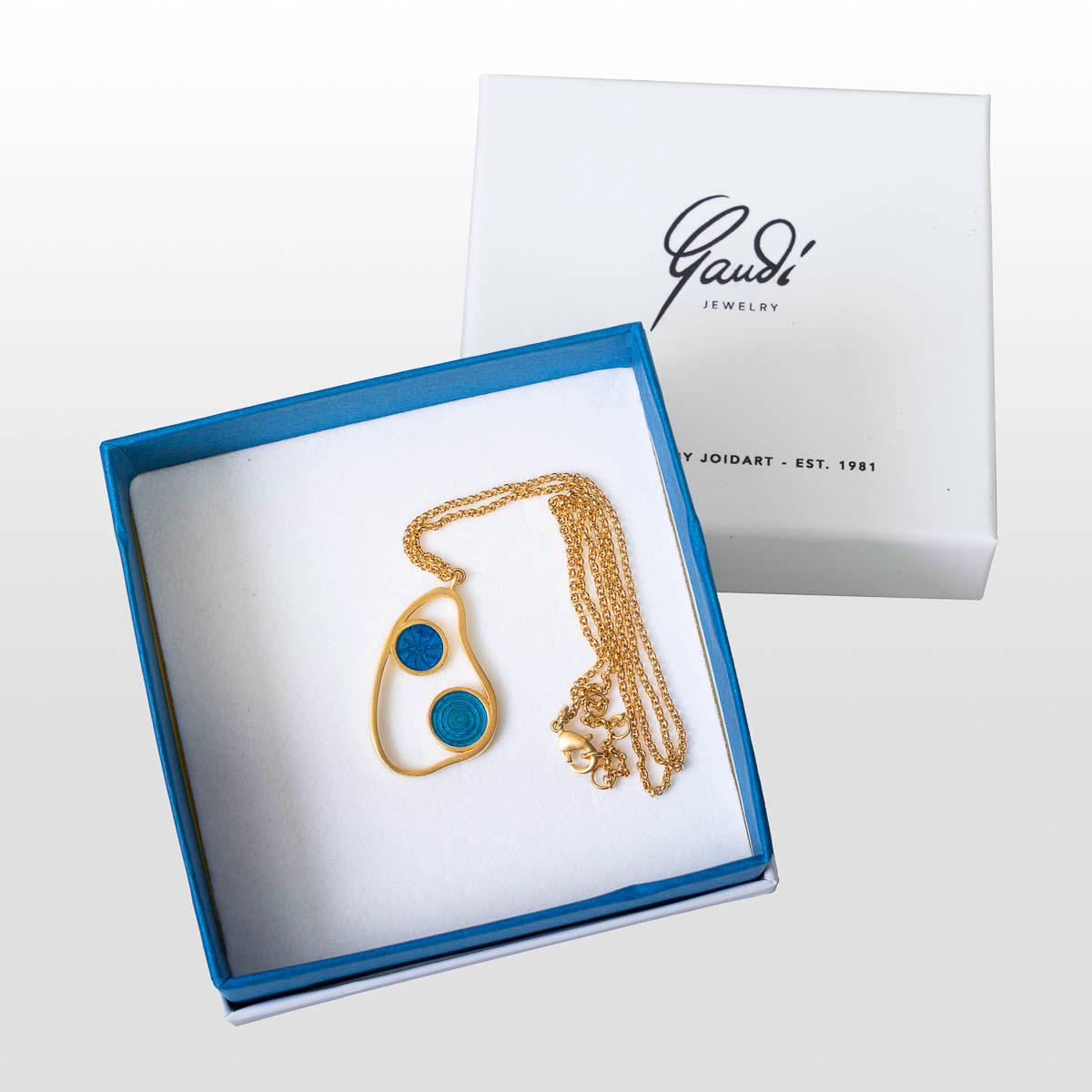
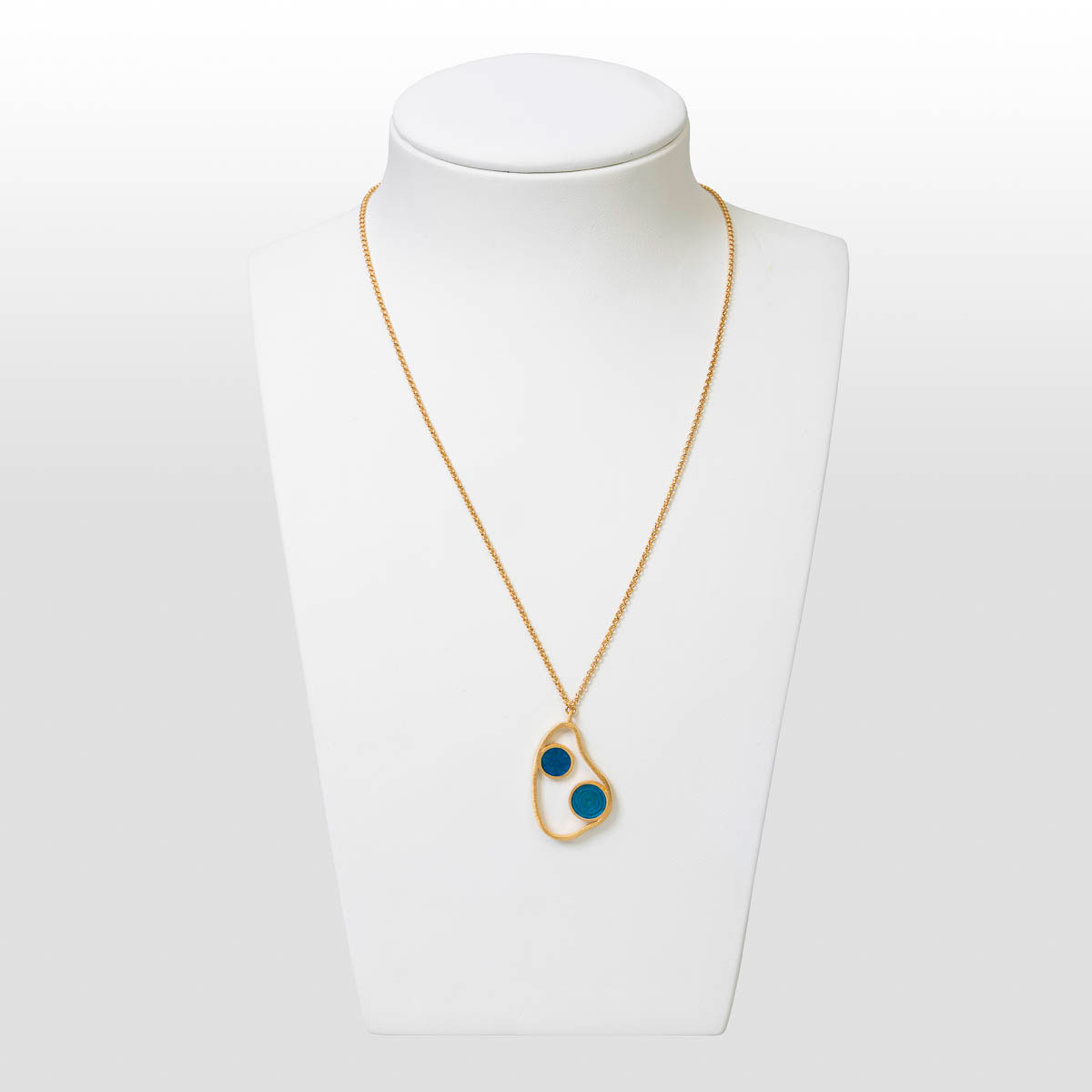
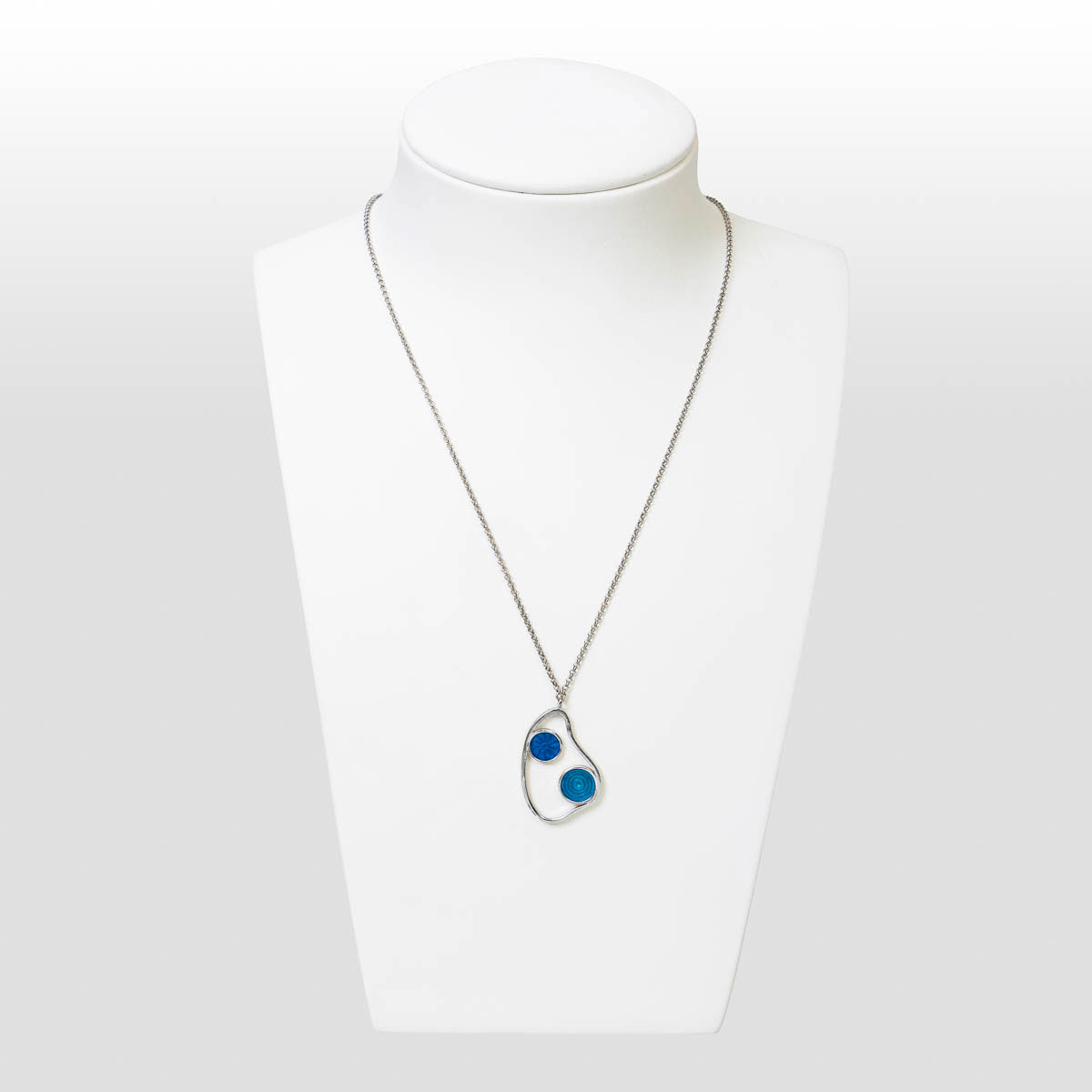
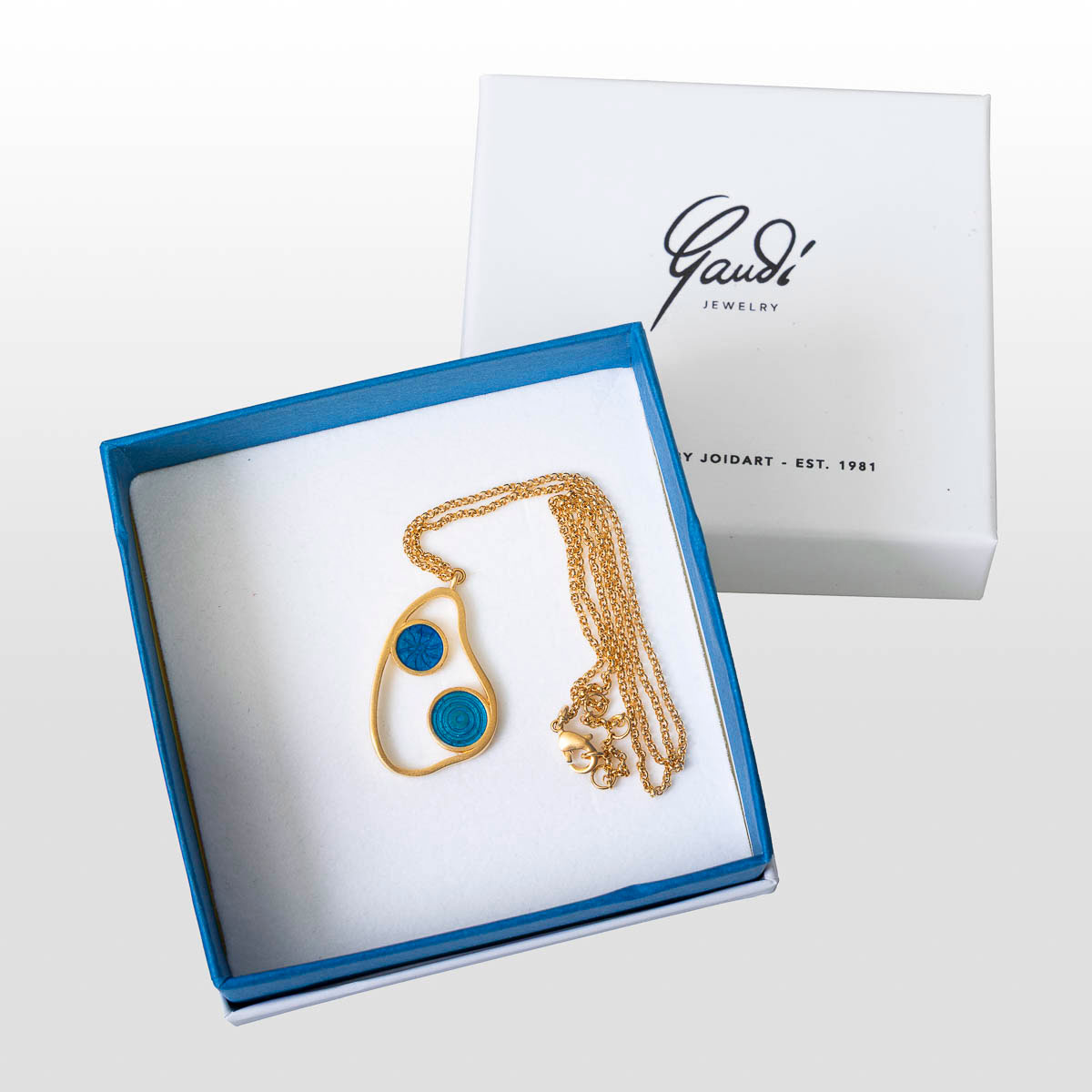
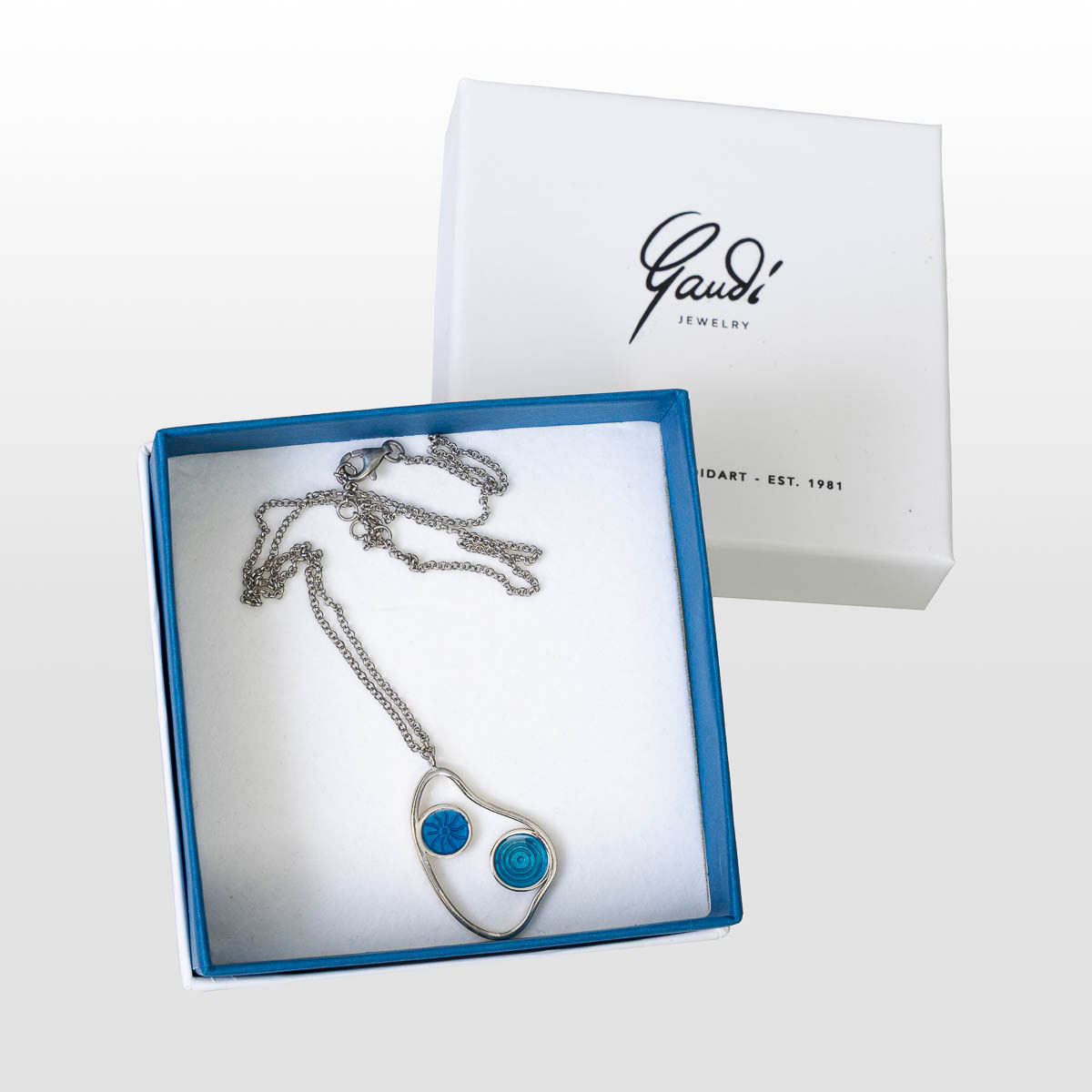
Pendant - "Cibes" after Antoni Gaudí
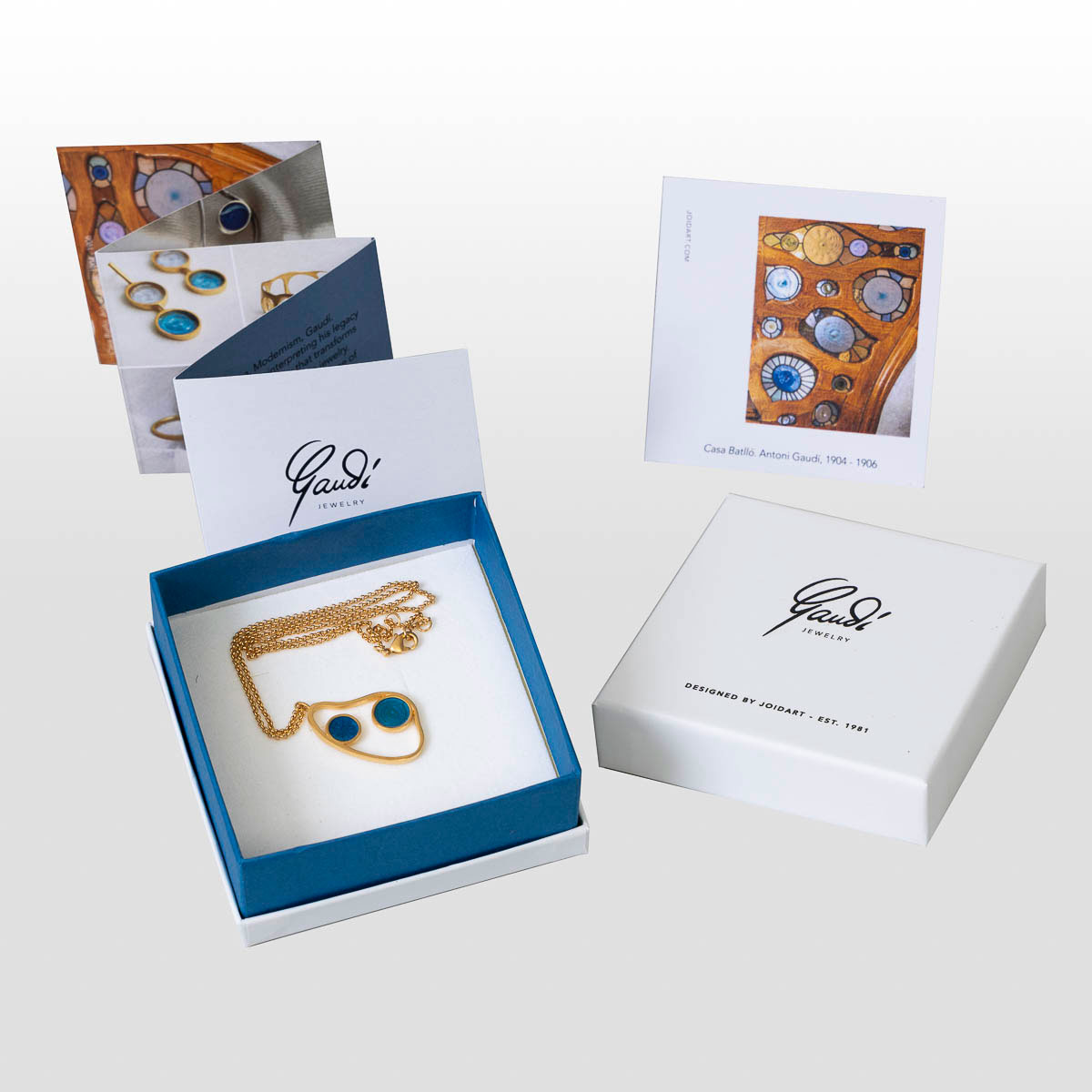
Inspired by the decorative elements of Antoni Gaudí’s Casa Batlló (1906).
Two finishes are available:
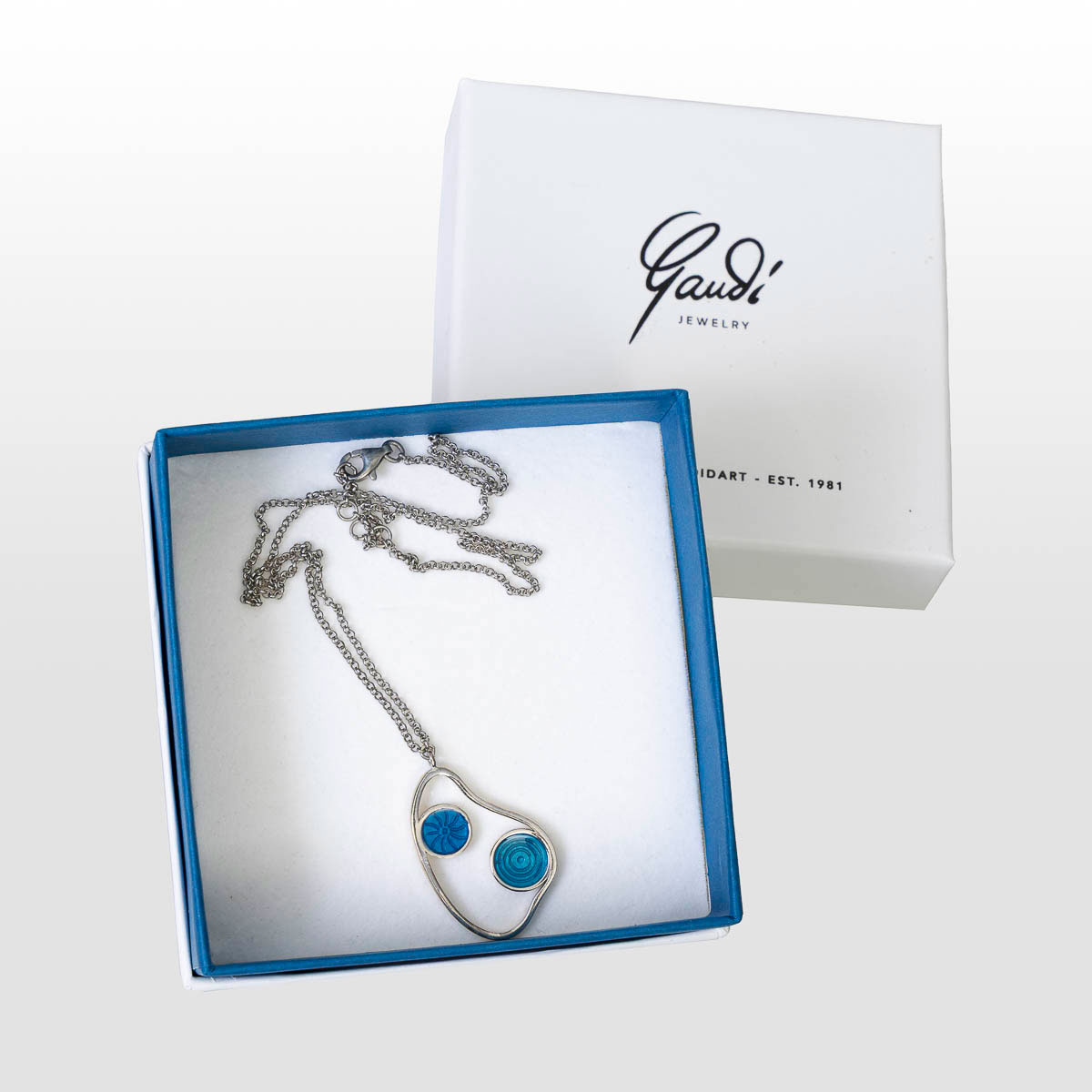
Solid silver version for a sober, timeless look
24-carat gold-plated brass version for a luminous, sophisticated touch.
Presented in an elegant Gaudí-branded box, accompanied by an illustrated booklet presenting the artist’s universe, these pieces embody a light, decidedly artistic jewel.
- in 24-carat gold-plated brass with blue and turquoise enamels for the gold finish.
- in 925 silver with blue and turquoise enamels for the silver finish.
Dimensions: 2 x 3 cm
Chain length: 40 cm
Materials: Silver / 24-carat gold-plated brass / blue and turquoise enamels
This piece is delivered in its very pretty white and gold box: a beautiful presentation for a gift ready to give.
The jewels of the Gaudí Collection are exclusively designed by Joidart.
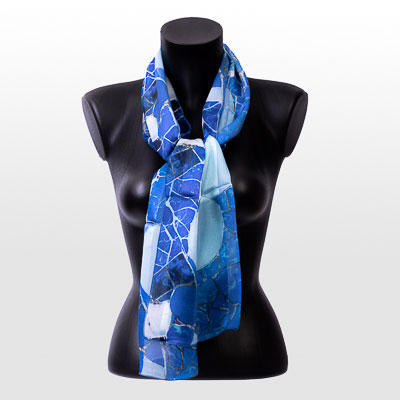
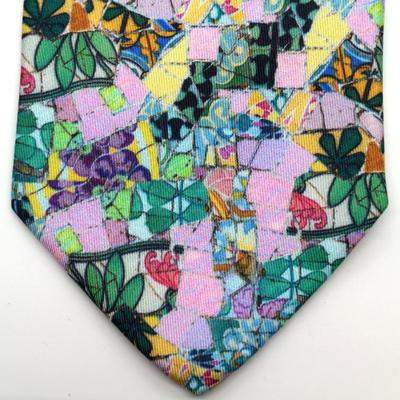
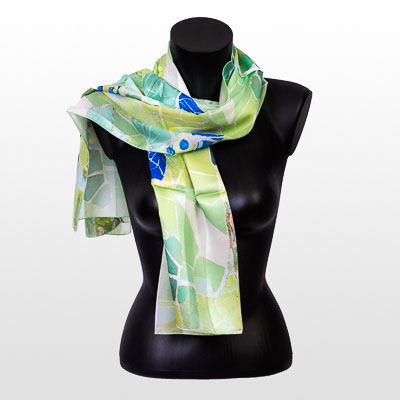
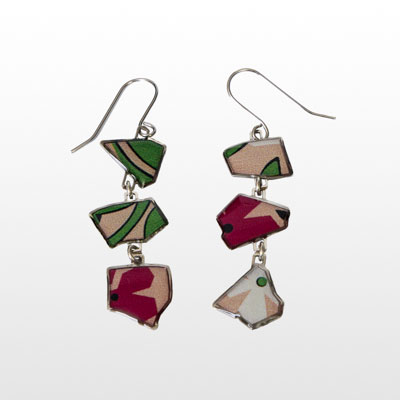

Art Nouveau
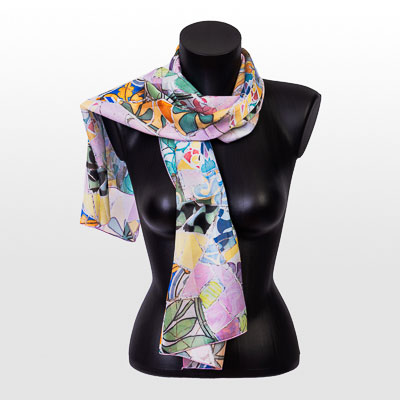
Art Nouveau: An Ornamental Whirlwind that Marked the World of Art
Art Nouveau, this artistic movement that emerged in Europe at the end of the nineteenth century, managed to enchant the senses and revolutionize artistic conception until the first decades of the twentieth century. Its founders, visionary minds like Victor Horta and Hector Guimard, infused a new vitality into creative expression by adopting an extravagant ornamental style, resembling a visual symphony inspired by nature. Between 1895 and 1905, Art Nouveau reached its peak, submerging the artistic and architectural landscape with its flamboyant brilliance. However, its imprint deeply rooted itself in the intricacies of art and architecture, stretching far beyond that prosperous period. The movement drew inspiration from various artistic and cultural currents of the time, such as Japonism and the Arts and Crafts Movement, skillfully merging traditional and modern elements to create a bold aesthetic. Art Nouveau artists left their mark with fluid curved lines and intricate ornamental motifs, blossoming like flourishing petals in their creations. Their passion for nature translated into works brimming with life and energy, capturing the very essence of the natural world in breathtaking beauty. They also explored new artistic paths, pushing boundaries through innovative production techniques, such as blown glass and forged metal. These daring creators found their expressive ground in a multitude of artistic fields, whether in architecture, sculpture, engraving, photography, or furniture design. Names like Victor Horta, Hector Guimard, Gustav Klimt, Antoni Gaudí, Alphonse Mucha, Théophile Alexandre Steinlen, Henri de Toulouse-Lautrec, and Aubrey Beardsley illuminated the artistic scene with their creative genius. Their works, exhibited at international events, spread the fame of Art Nouveau to all corners of the globe. Although Art Nouveau held a prominent place in art history, it did not escape criticism, with some reproaching it for its lack of political and social depth. At the turn of the twentieth century, it eventually gave way to new artistic movements. Nevertheless, its legacy endured, imbuing art and architecture with timeless influence. Even today, it is celebrated and admired for its unparalleled splendor and creativity, an eternal testament to a time when art dared to push the boundaries of imagination.
Discover the artist
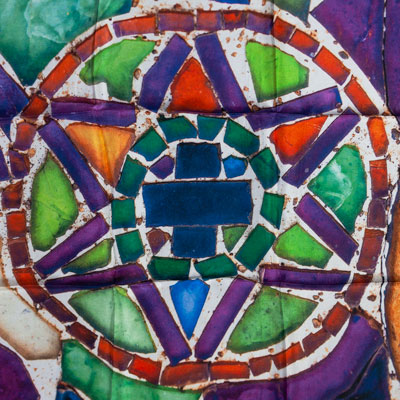
Gaudí Antoni
Antoni Gaudi
Antoni Gaudi i Cornet was a Spanish architect, belonging to the Catalan Art Nouveau movement (1852-1926)
A "global" architect, he knew how to design the plans of a building, but also how to implement the details of the decoration himself, such as ceramics, ironwork or glassware.
It is for this reason that he left the strict framework of architecture to register his name in the broader framework of artistic creation. Seven of his works have been classified as World Heritage by UNESCO, including of course the Sagrada Familia.